For any surfer, it’s unlikely not to have at least heard of Puerto Escondido. Located around three hours from Oaxaca, this popular surf town is home to the famed “Mexican Pipeline,” a wave that has put Puerto and the surrounding area firmly on the global surf map.
After days spent exploring the vibrant streets of Mexico City and soaking up the colour, history, and flavours of Oaxaca, we were more than ready to trade the city atmosphere for ocean breezes and make our way back to the coast.
It had been nearly twenty years since I last visited Puerto, back when I was 18 or 19, and like so many places, time has brought significant change. What was once a sleepy corner of the coast has clearly experienced mass development. La Punta, in particular, has transformed from a quiet, laid-back enclave into its own bustling, hip tourist town, humming with energy and activity.
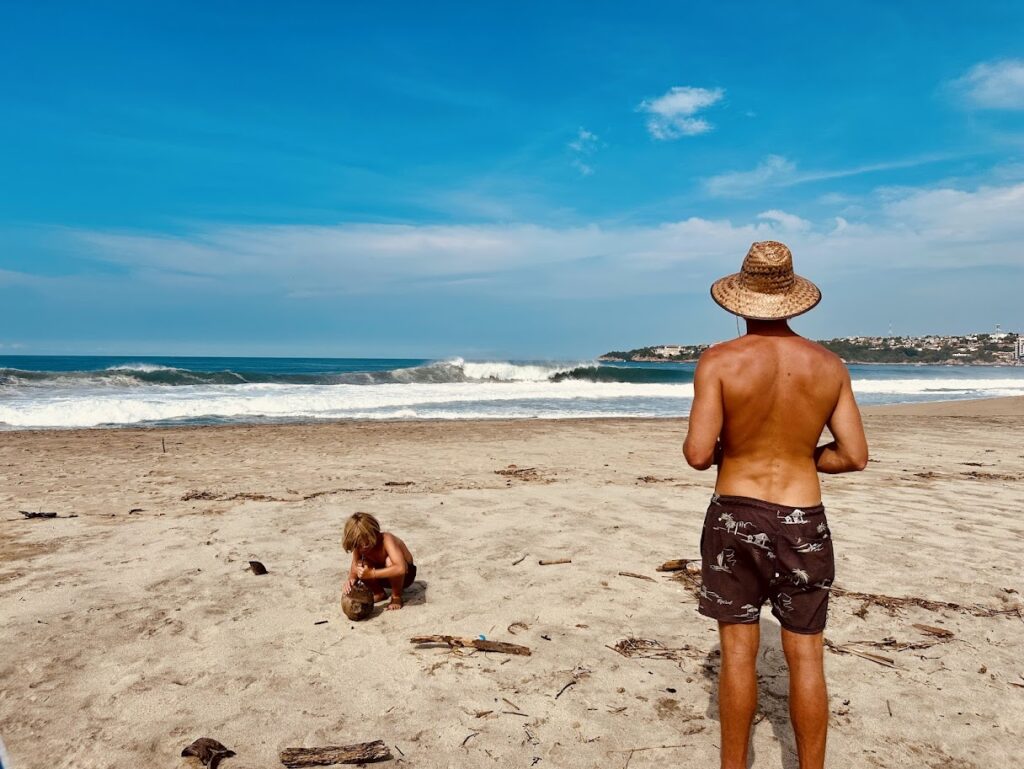
Our first impressions were quite overwhelming. Rows of sun loungers lined the beach, the crowds felt constant, and there was an endless blend of food options competing for attention. It all felt a far cry from the Puerto I remembered. Yet, slowly and almost unexpectedly, La Punta really grew on us.
As the days passed, we found ourselves swept up in the rhythm of the place: sunset crowds gathering along the shore, children playing freely on the beach, and exploring the main street of La Punta. Even begrudgingly paying for a sun lounger became part of the experience, worth it, if only to give the kids a break from the scorching sun and a shaded spot to recharge.
Despite the inevitable changes over the years, Puerto remains a standout destination for our family. Much of that is thanks to our stay at CasaMar. The kids absolutely loved it, and so did we. CasaMar has a strong sense of community and a genuinely friendly atmosphere, with shared dinners, yoga sessions, and easy opportunities to connect with others. It grounded our experience and reminded us that, beneath the development and bustle, Puerto still holds onto something special.
One thing to be aware of is that the beaches offer very little natural shade. There’s no jungle meeting the sea here, no easy retreat from the scorching midday heat, so planning around the sun, or bringing your own shade, becomes essential, especially with kids.
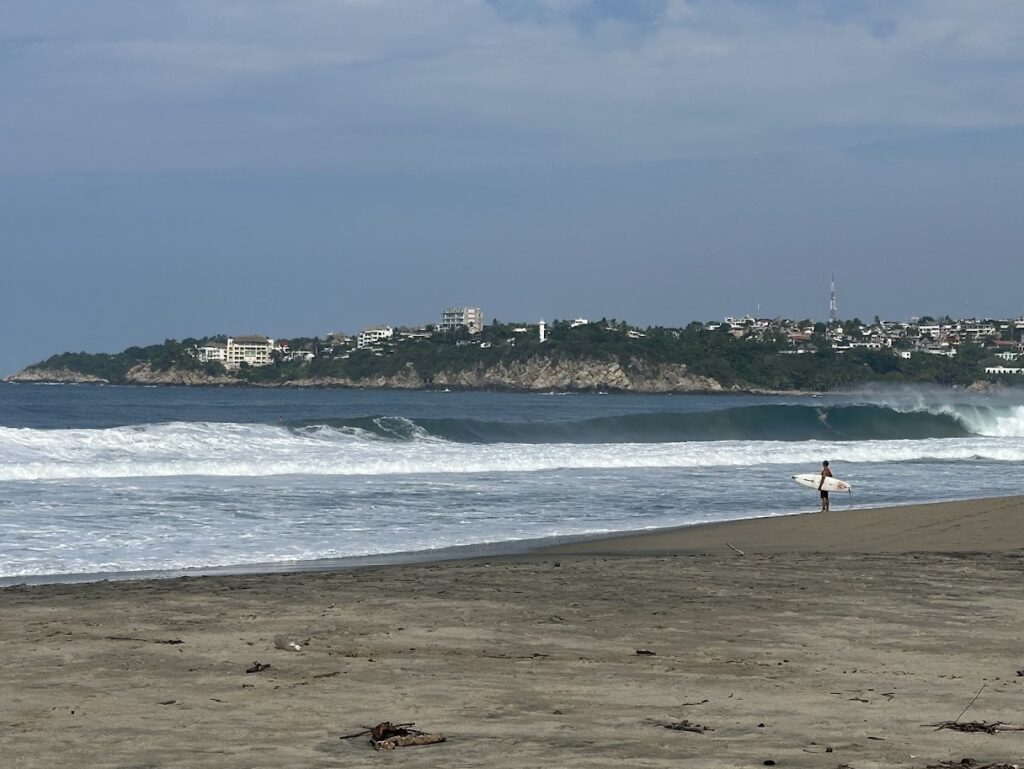
The waves can also be intense, particularly during the summer months. We experienced a mix of both big and smaller swells during our stay. The stretch of beach closer to La Punta was just about swimmable for the kids on calmer days, but it’s definitely a place where caution is needed, and conditions can change depending on the time of year.
I was fortunate enough to get a consistent swell, which enabled La Punta to really come alive. Early mornings seemed much better in terms of crowd and often provided the best wind options. I tended to avoid surfing here at sunset, when the lineup usually became unbearably crowded with a high level of local surfers dominating the small take-off area near the rocks.
Zicatela has developed its reputation for a reason – the wave is intense! Be prepared to have suitable step-up boards if you plan to surf Zicatela at anything over head high. The paddle out and constant backwash make the initial entry challenging, before even attempting to surf the wave. At a smaller size, Zicatela can be a great barrelling wave, but it often closes out so it takes some patience to find the right wave.
Getting around is another consideration. Taxis are relatively expensive, especially for regular trips between Puerto and La Punta. Collectivos run frequently between the two, which are a more affordable option, but they’re not the easiest choice if you’re travelling with surfboards or lots of gear.
Puerto Escondido’s story stretches far beyond its modern reputation as a surf and tourist destination. Originally, the area was inhabited by indigenous Zapotec and Mixtec communities before gradually evolving into a secluded fishing and coffee port known as Punta Escondida. Its significance grew in the 1930s as improved infrastructure connected it more closely to the rest of Oaxaca. Everything changed again in the 1960s, when Californian surfers discovered the powerful waves of Zicatela. From that moment on, Puerto Escondido began its transformation into the world-renowned surf destination and vibrant tourist hub it is today, despite ongoing local debates around its municipal status.
The name Puerto Escondido translates to “the hidden port.” Apparently, the true origin of the name is far more intriguing. According to Marc of the Mexican Corrido, the local legend tells the story of a pirate named Andrés Drake who kidnapped a young Mixtec woman from the village of Santa María Huatulco. While the pirates were camped in the bay that is now Puerto Escondido, she escaped and hid from her captors. The pirates referred to her as La Escondida—“the hidden one”—and each time they returned to the bay, they searched for her. Over time, the bay itself became known as Bahía de la Escondida, eventually lending its name to the town we know today.
Playa Angelito – The small bay provides a good escape from the waves and has a range of seafood restaurants on the beachfront.
Playa Carrazilllo – With 167 steps from the cliff down to the sea, you’ll need to work to get to and from this tiny beach, but the effort is worth it. There are surf options here, but still watch the rips here if a large swell is running – we witnessed multiple people getting rescued here!
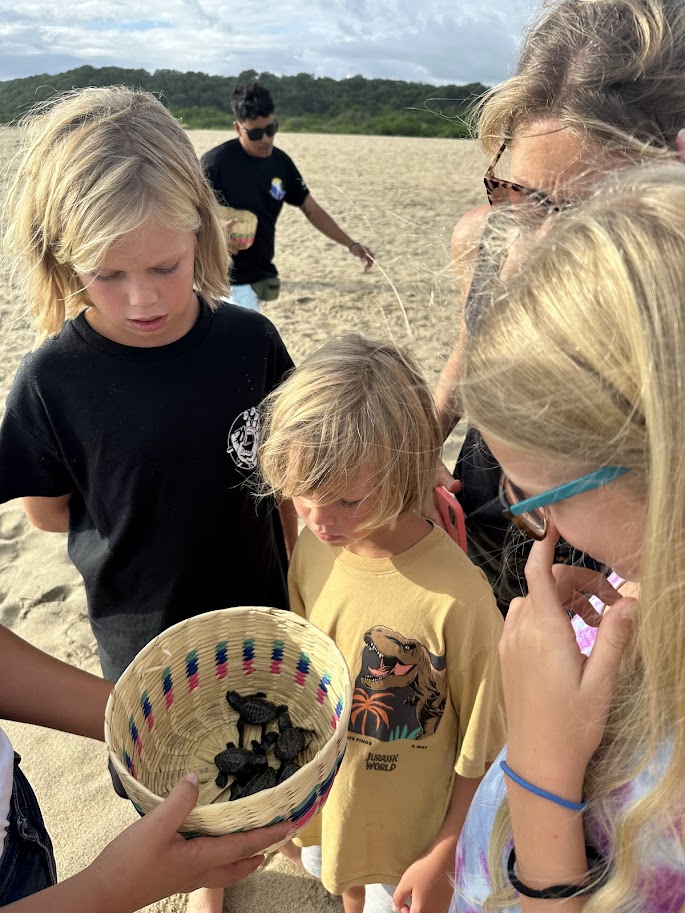
Playa Barrocho – The beach is worth a visit for its regular turtle releases (200 MXN per person). Contact them before to confirm the releases and taxis will take you directly to the beach.
We enjoyed exploring the markets in the centre of Puerto town – a collective mix of local textiles, souvenirs, foods and other comedors. It’s worth visiting to have a break from beach life!
From Oaxaca, there is a direct bus (approx 3 hrs on ADO) that takes you to the central spot in Puerto. From there, it’s easy enough to grab a taxi to Zicatela or onwards to La Punta.
Is Puerto Escondido the ideal family destination? Probably not. The beach lacks shade, and the surf is dangerous, but CasaMar truly made the La Punta experience unforgettable. It radiates warmth and character, fostering a strong sense of community through shared meals, yoga sessions, and friendly gatherings. Add in delicious food, stunning sunsets, and a relaxed pace, and it’s easy for families to feel at home. Puerto Escondido and La Punta may present their fair share of challenges, but their beauty, energy, and sense of community make them great destinations for families willing to go with the flow.
If time, I recommend taking a trip to Lagunas de Chacahua – read our family adventure here!